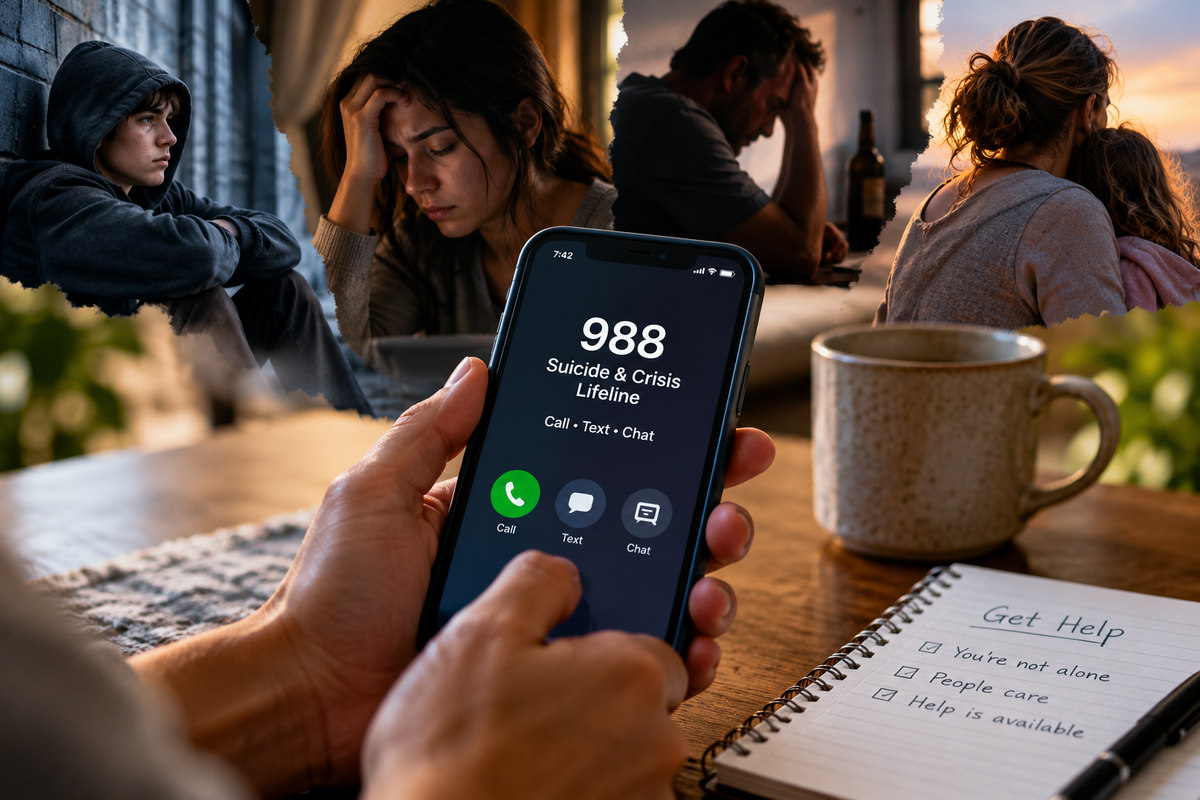
Pick Up the Damn Phone

We’ve built entire organizations to help people through life’s worst moments. It’s time we stopped being embarrassed to use them.
Addiction. Suicide. Homelessness. Human trafficking. Domestic abuse. Runaways.
Think about what comes to mind when you hear those words. We’ve heard them a thousand times, usually attached to terrible news, crime reports, political arguments, or somebody else’s misfortune. Another overdose. A missing teenager. A domestic disturbance. A homeless encampment. After a while, the stories begin to blur together. We shake our heads, offer an opinion, and move on. Sometimes we don’t even bother with an opinion. We’ve heard enough.
It’s a strange way to think about human beings, reducing someone to a word that tells us almost nothing about their life. The homeless man becomes a nuisance on a street corner. Someone struggling with addiction becomes a drunk or a junkie. A runaway is dismissed as a troublesome kid who ought to listen to their parents. A woman living with an abusive partner is judged for staying, often by people who have no idea what might happen if she tries to leave.
Some of those judgments come from painful experience. Others come from television, something a friend said, or assumptions we’ve carried around for years. Somewhere along the way, we attached shame to problems people ought to be able to discuss without being humiliated. We whisper when a neighbor sees a counselor. We look down on a family accepting help. Someone enters treatment for addiction, and people talk as though seeking treatment were the failure.
I’m more impressed by the person making the appointment than by the one standing around passing judgment. At least somebody is trying to do something useful. Just because someone thinks your circumstances ought to embarrass you doesn’t mean they’re right. If you’re the person making somebody feel small for trying to put their life back together, keep your opinions to yourself for a while. You’re not helping.
Think about what happens when someone’s house burns down. The family stands outside watching firefighters work, knowing their furniture, clothing, photographs, and much of what they’ve worked for may be gone. Someone from the Red Cross offers emergency assistance, perhaps a meal, blankets, or help finding somewhere to sleep. Nobody expects that family to refuse because the neighbors might think they couldn’t take care of themselves. We understand that something terrible happened and we’re relieved someone is there to help. Why should asking for assistance with anything else be treated as an admission of failure?

That same willingness to accept help ought to extend to the troubles we can’t see from the street. Consider somebody sitting alone at the kitchen table, wondering whether they can endure another day. Maybe they’ve been thinking about suicide for weeks, hiding it from their family while continuing to work, pay the bills, and pretend everything is fine. In the United States, they can contact the 988 Suicide & Crisis Lifeline and speak with someone trained to offer crisis support. They can text or use online chat if talking feels too difficult.
That service isn’t reserved for veterans, people with a particular diagnosis, or some special category. Anyone experiencing suicidal thoughts or an emotional crisis can reach out. Veterans also have specialized support available for circumstances related to military life, but suicide and depression don’t discriminate. A teenager afraid to confide in their parents, a retired grandfather living alone, or a mother who’s spent years putting everybody else’s needs ahead of her own can struggle just as desperately. Nobody has to prove they’ve suffered enough to deserve help.
Families who’ve lost someone to suicide know the questions that follow. How did we miss it? Why didn’t they tell us? Was there something we could have done? Some recognized the danger and fought desperately to help. Others saw no warning signs. Many did everything they knew to do and still suffered an unimaginable loss. Suggesting those families failed because they couldn’t see inside another person’s mind would be cruel. Love doesn’t give us that ability.
A crisis counselor can’t guarantee that a life will be saved. They can listen, help someone through an immediate crisis, and discuss options for additional assistance. Sometimes it’s easier to tell a stranger things you can’t bring yourself to say to the people you love. There’s nothing wrong with that, and certainly nothing to be ashamed of.
Admitting you need help can be just as difficult when the problem is addiction. Someone who’s provided for a family for thirty years might find it humiliating to admit alcohol has taken control of their life. A parent may fear what relatives will think if their child needs treatment. Families can spend years trying to manage addiction themselves, offering money, making threats, forgiving broken promises, and wondering what they’re supposed to try next.
Treatment programs, medical professionals, and recovery groups exist because addiction can require help beyond what a family can provide. Some people need medical supervision to withdraw safely. Others may benefit from medication, counseling, or continuing support. Finding the right care may require an assessment and more than one conversation, but people trained to treat addiction are better equipped to offer options than relatives left guessing about what might work.
Treatment won’t erase everything that happened before the call. Trust may need rebuilding, and there may be consequences, setbacks, and difficult decisions. Families are entitled to establish boundaries and protect themselves. None of that diminishes the importance of someone deciding they want help.
If somebody finally admits they need treatment, resist the temptation to deliver that speech you’ve been rehearsing for the last five years. They probably know how badly things have gone wrong. You can address the damage without making their request for assistance another opportunity to demonstrate how right you’ve been. Help them find someone qualified to address the problem.
There may come a time to talk about bad decisions, broken promises, and the people who were hurt along the way. Those conversations matter. Helping someone doesn’t mean pretending the damage never happened or setting aside boundaries needed to protect yourself or others. When a person finally asks for help, however, that isn’t the moment to settle accounts. Address the immediate need first and leave the reckoning for later. Nobody should have to sit through a lecture before someone will help them reach a qualified professional.

Some people will refuse assistance. They may deny the problem, fear what treatment will require, or simply be unwilling to listen to the person offering it. A counselor, support group, or stranger may get through where a relative cannot. Adults ordinarily have the right to make decisions others disagree with, although immediate danger and the protection of children can require appropriate intervention. We can offer help, establish necessary boundaries, and leave opportunities open without turning every disagreement into a battle.
With children, the challenge can start long before anybody asks for help. They change their clothes, music, friends, interests, and attitudes while trying to figure out who they are. A child becoming quiet or developing new interests doesn’t automatically mean something terrible is happening, but dismissing everything as a phase can become an excuse for not paying attention. Ask about their music, learn something about their friends, and show an interest in what matters to them. You don’t have to share every interest or approve of every decision to make a child feel comfortable talking to you.
A child who expects every conversation to become an argument may eventually stop discussing anything important. When trouble comes, they might feel more comfortable confiding in a teacher, counselor, neighbor, or stranger than in their own parents. That doesn’t necessarily say anything terrible about the parents. Children have pride, fears, and embarrassment of their own.

Imagine a child standing in front of you. Their clothes are dirty, they haven’t bathed in days, and they look like they haven’t had a decent meal in just as long. You don’t know whether they ran away after an argument, escaped abuse, or have been sleeping wherever they can find shelter. They look at you and manage three words: “I need help.”
What more do you need to hear? This isn’t the moment to lecture the child about their parents or demand an explanation for how they got there. It took courage to ask another human being for help. The answer ought to be, “I will help you.” Then mean it, within what you can safely do. That might mean staying with the child while you contact someone qualified to help. If there’s immediate danger, get to safety and call 911. Youth services, child protection agencies, and organizations such as the National Runaway Safeline can help connect young people with appropriate assistance. You don’t have to solve the mystery of how that child got there before taking the request seriously.
Runaway and homeless children can be vulnerable to exploitation. Someone looking to take advantage of them may offer food, shelter, money, or affection as a way of gaining control. If you suspect a child is being abused or exploited, report what you know to the police or the appropriate child protection agency. Use common sense over emotion, and keep yourself safe. If the child disappears into an abandoned building, don’t follow them inside. Call 911 if there’s immediate danger, tell the dispatcher what you saw, and let responders handle it. If a serious concern appears to have been overlooked, don’t just shrug and walk away. Walk your caring ass into the police station, ask to make a report, and document whom you’ve spoken with. You can be persistent without playing detective or putting yourself in the middle of an emergency.
Imagine being the parent of a missing child and learning that someone dismissed your son or daughter after hearing those three words. Nobody can know whether that adult could have prevented what followed. Knowing your child had found the courage to ask for help and was turned away would be a terrible thing to live with.
Another situation where good intentions alone aren’t enough is domestic abuse. People wonder why someone doesn’t simply pack a bag and leave, as though it’s that easy when children, threats, financial control, or the possibility of violence are involved. A friend who organizes an escape based on something they watched on television or YouTube may make a dangerous situation worse.
Domestic violence advocates understand safety planning. They can help someone assess risks, consider options, and locate available housing, legal assistance, counseling, or other support. They can’t guarantee an outcome, but they have experience most of us don’t possess. If someone asks you for help, listen and help them reach an advocate safely. Calls and online searches can create danger when an abuser monitors communications, and the person experiencing abuse needs a voice in what happens next.

Not every plea for help involves an immediate emergency. Sometimes it’s a person who’s worked steadily for years, lost a job, fallen behind on rent, and ended up sleeping in a vehicle. Maybe they’ve avoided friends for weeks because they’re tired of explaining why things haven’t improved. Their own decisions may have contributed to the situation, or circumstances may have overwhelmed them. Either way, pride won’t pay the rent, and a lecture won’t provide somewhere safe to sleep.
Community referral services such as 211 can help people locate housing assistance, food programs, utility support, and other resources. They can’t guarantee an available shelter bed or immediate financial assistance, but they can help identify options without requiring someone to know which agency handles which need.
Faith can be part of finding a way forward, too. A pastor, church community, prayer group, or trusted religious leader may offer companionship, practical assistance, and encouragement. Others find support through medical treatment, counseling, recovery groups, or secular organizations. These approaches needn’t compete. People of faith can seek professional care, and those without religious beliefs deserve the same respect.
Some people have no friends or family they can safely approach. Relationships break down. People lose spouses, retire, move, or become isolated. For them, a crisis counselor, social worker, treatment provider, or community volunteer may be the first person in a long time willing to listen without already having an opinion about their circumstances. Being alone shouldn’t mean having nowhere to turn.
None of these organizations can make the hard parts disappear. Government programs and charities have developed services, trained people, and gathered resources most families simply don’t have. They’re not perfect. Funding runs short, staff can be overwhelmed, and eligibility requirements or waiting lists can frustrate someone who finally found the courage to ask. A disappointing first call may mean requesting another referral or trying a different organization. Those shortcomings don’t erase the people working hard to help or make the person calling any less deserving.
Helping someone isn’t always easy, especially when it’s a close friend or family member. You may love someone dearly, but you’ve also seen what their problems have done to the people around them. Getting involved can be frightening. Will they expect you to provide a place to live, financial support, or become responsible for problems you aren’t equipped to handle? You have your own family and responsibilities to consider, and those concerns are legitimate.
The mistake is believing your only choices are to take on all their problems or look the other way. You can care about someone without taking responsibility for their entire life. Helping them find a counselor, treatment program, shelter, or other appropriate resource may do more good than anything you could provide yourself. You might make a phone call, offer a ride, or simply help them figure out where to begin. You’re not taking their burdens onto your shoulders. You’re helping them find the people and resources that might make those burdens easier to carry.
You may not be the person who can solve somebody else’s problems, but you might be the person who can help them find the people who can.
For the person needing assistance, the first step may be as simple as saying, “I need help, and I don’t know where to start.” You don’t have to know which agency is responsible, which treatment you need, or how you’re going to manage everything afterward. Helping you find those answers is part of what many of these organizations do.
The road ahead might be long. Recovery from addiction can involve setbacks. Leaving an abusive relationship may require careful planning and continuing support. Rebuilding after homelessness, financial hardship, or a mental health crisis can take more time and determination than you believe you have left. There may be appointments, paperwork, difficult decisions, and days when progress is hard to recognize. Nobody should promise otherwise.
One phone call won’t solve everything. It might not even bring the answer you’re hoping for. But the person on the other end may know about an option you haven’t considered, a service you didn’t realize existed, or somewhere you can begin. Isn’t that worth finding out?
We’ve allowed too many people to feel ashamed of asking for assistance while others stand around criticizing them for needing it. The person who recognizes a problem and reaches for help is making an effort to improve their circumstances. That deserves respect. If someone asks you for help, take them seriously. If you’re concerned about somebody’s safety, contact the appropriate people. You don’t have to fix another person’s life, and you shouldn’t endanger your own trying.
Most importantly, if you’re the one struggling, please give yourself the opportunity to find out what assistance might be available. You don’t have to promise that you’ll never struggle again or convince yourself that everything will work out. You may have a difficult journey ahead, and some days won’t go the way you hope.
You deserve the chance to begin it with some help.
Pick up the damn phone.
If you need help or are concerned about someone else, visit the Three Foot Press Resource Page for organizations and services that may be able to assist. In the United States, call or text 988 for suicide or mental health crisis support. For immediate danger, call 911.


